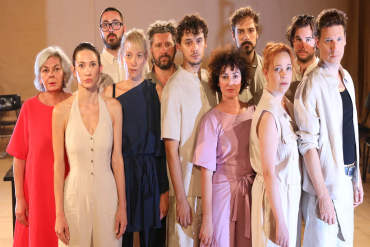
Ahead of the premiere of An Ideal Husband by playwright Oscar Wilde, directed by Aleksandar Popovski and translated by Goran Čolakhodžić, the Croatian National Theatre in Zagreb will host a Theatre Breakfast on Tuesday, 2 June 2026, at 10 a.m. at the Mile Dimitrijević House, located at 19 Mesićeva Street in Zagreb.
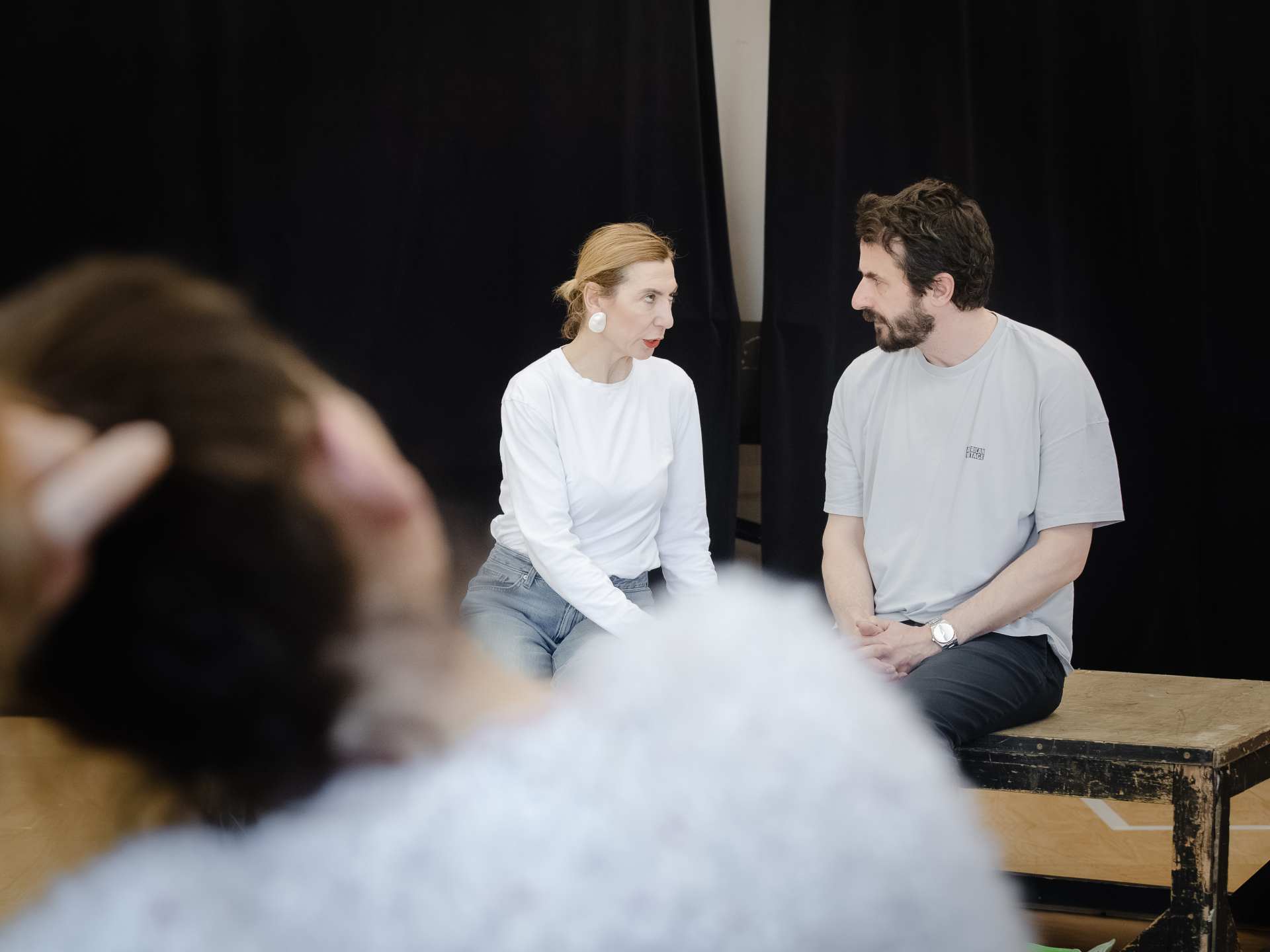
Theatre Breakfast is an interactive programme that offers audiences the opportunity to gain a closer insight into new repertoire titles behind the scenes through encounters with theatre artists and experts in the performing arts. It brings together different perspectives and experiences that enrich the act of watching a performance, in a format that encourages dialogue and reflection. Theatre Breakfast gathers the creators of the production, practitioners and theorists, as well as experts familiar with the themes explored in the featured repertoire title.
Written during the Victorian era of English literature, this social comedy depicts `a world without honour or nobility, in which only money and power matter‘, as Miroslav Krleža wrote of Oscar Wilde’s comic oeuvre.
Wilde distinguished himself as a leading figure of English literary aestheticism, emphasising that the basis of aestheticism was hedonistic, and that art was autonomous and amoral. Hence the irony and cynicism so frequently present in his work, alongside his dazzling wit, brilliant wordplay, and rich use of paradox and satire. His ability to provoke laughter through unexpected twists found its strongest expression in the social comedies that brought him fame. Themes such as the hypocrisy of high society, wealth acquired through corruption, marriage as a social construct, and the mechanisms of manipulation and blackmail still resonate as strikingly contemporary today.
In an essay published in Narodne novine in 1906, Antun Gustav Matoš wrote:
`The darkness of slander and panegyric still hangs over his fresh memory. He knew both the greatest glory and the deepest disgrace. He was the lion of London’s most select society and the most exclusive Parisian salons, yet in 1896 he was sentenced to two years’ hard labour for crimes against morality.‘
The discussion will focus on the translation, directing poetics, dramaturgical adaptation, and acting authorship, featuring director Aleksandar Popovski, translator Goran Čolakhodžić, dramaturg Dino Pešut, and actresses Ana Begić Tahiri and Daria Lorenci Flatz.