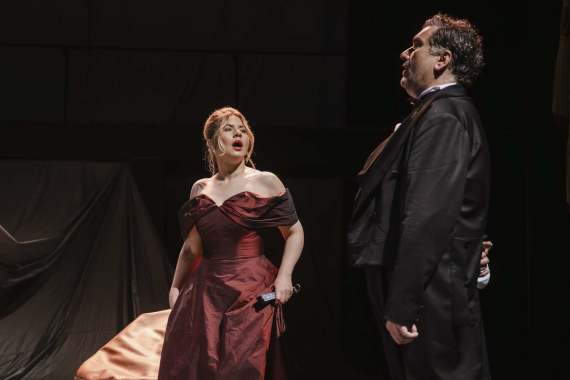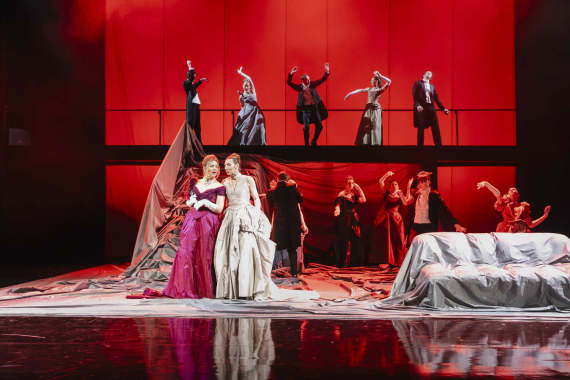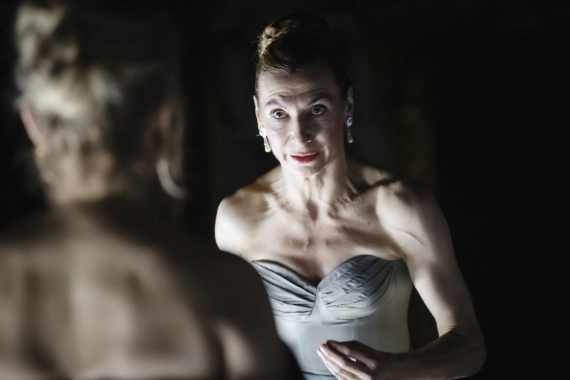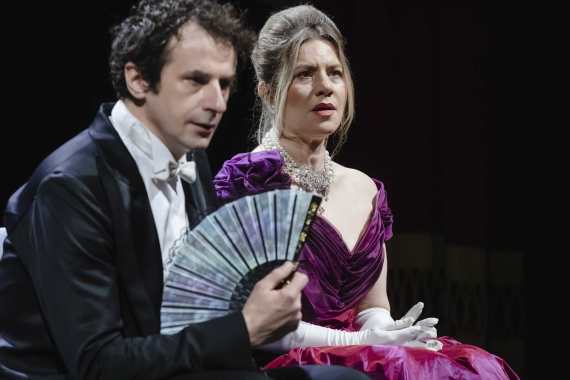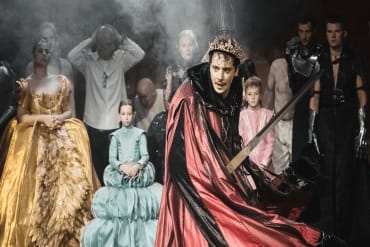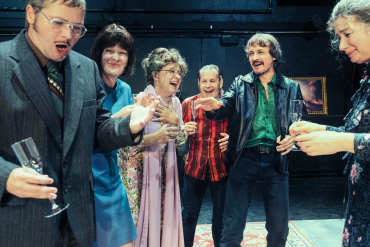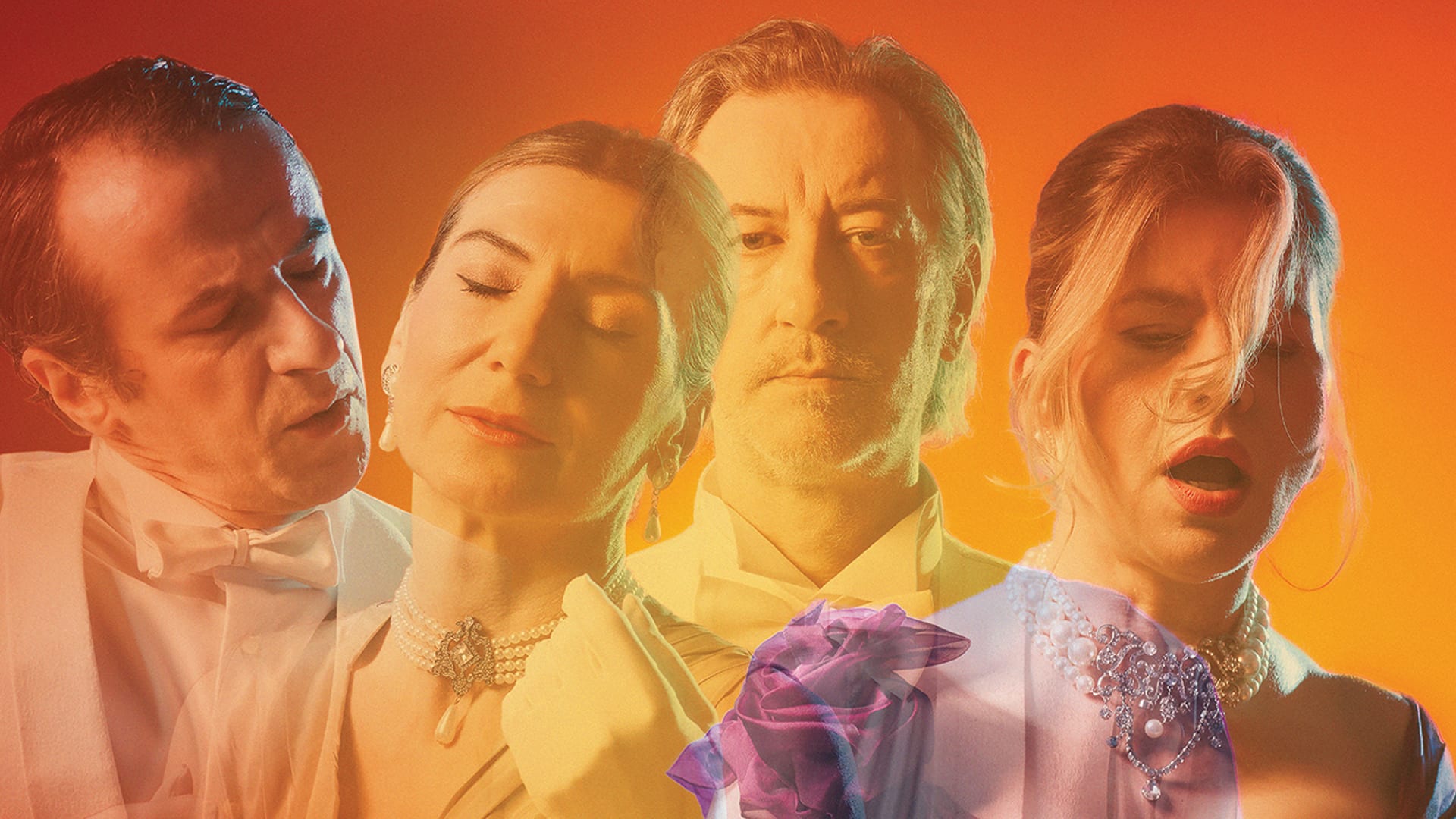
Sir Robert Chiltern seems to be the last politician with a moral compass. An ideal husband, at least in the eyes of his flawless wife, Lady Chiltern. Their marriage is an ethical haven amidst the moral desolation of Britain’s late 19th-century upper class. But the unannounced arrival of Lady Cheveley threatens to upend it all. She holds proof that Robert’s entire political and business career has been built on fraud, betrayal, and manipulating confidential information—in essence, on corruption. Scandal is imminent, and in today’s world, it no longer intrigues a person—it can spell their death sentence.
An Ideal Husband may be Oscar Wilde’s most structurally conventional social drama, unfolding across four acts, as is typical of his oeuvre. Yet, from today’s vantage point, it seems one of his most politically provocative and contemporarily resonant works. In this deftly crafted piece, Wilde mercilessly exposes the rigid mores of Victorian society, using the figures of the seemingly ideal Chilterns and their tightly knit social circle. He critiques the institution of marriage as a union founded on possession, offering no room for the individual’s self-realisation, but politics too as a realm of corruption inhabited by men in positions of power.
In a society weary of conventions and crumbling value systems, awaiting the excitement of the impending 20th century (which will not treat them kindly), the Chilterns and their circle are left to discuss little else but politics and marriage—two suspect enterprises that will outlive us all.
As ever with Wilde, the piece brims with wit, cynicism, aphorisms, epigrams, paradoxes, witty dialogue, and razor-sharp social observations. An Ideal Husband, written 130 years ago—the same year the Croatian National Theatre building in Zagreb first
opened—still resonates today.
Oscar Wilde’s play is staged by the acclaimed director Aleksandar Popovski.