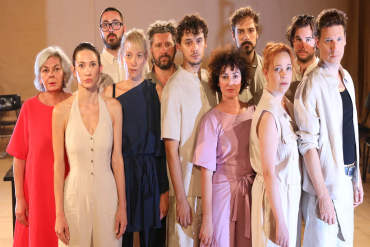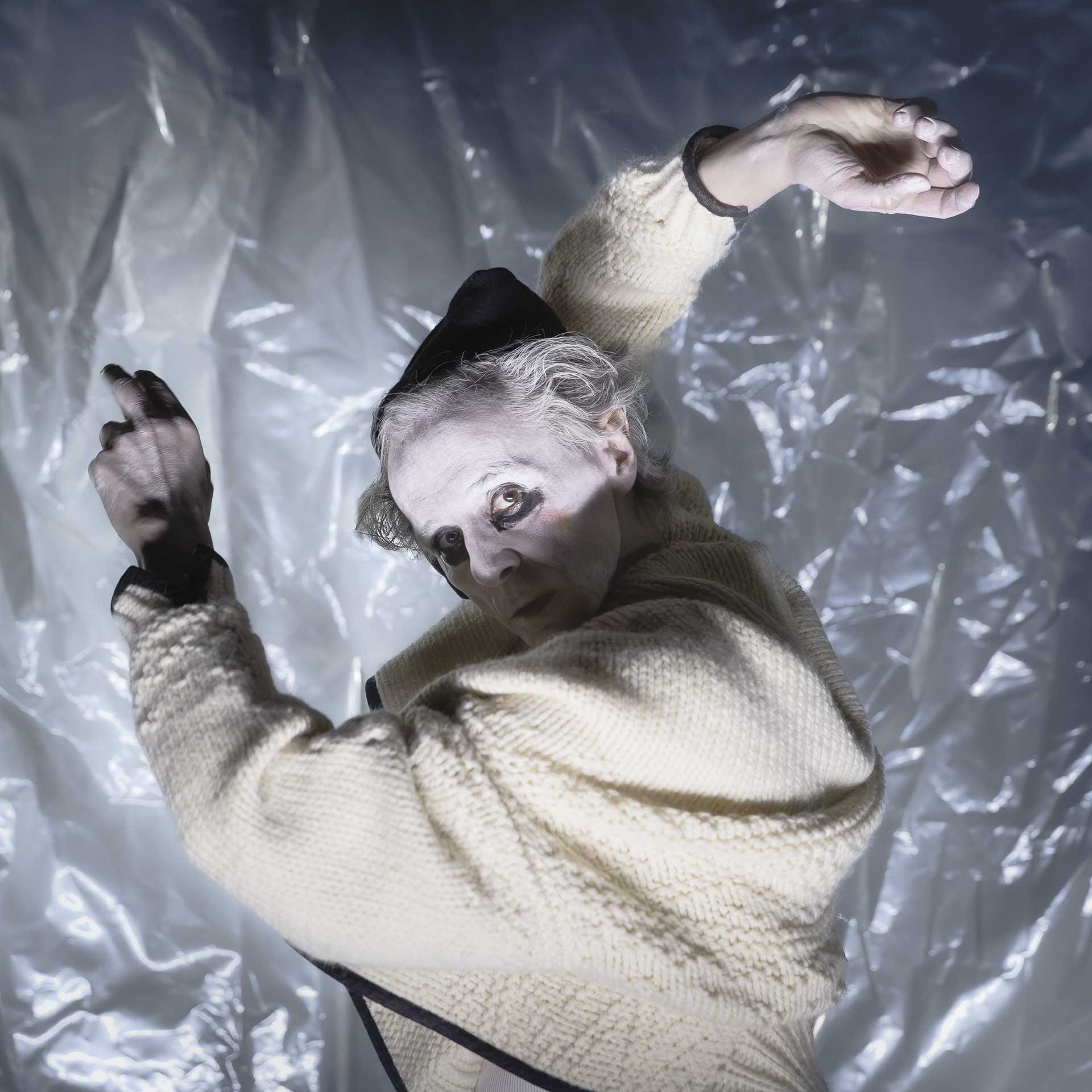
AGAMEMNON TRILOGY 2.0
after Euripides and Aeschylus
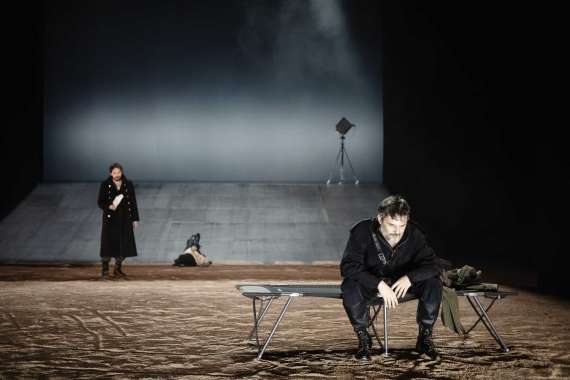
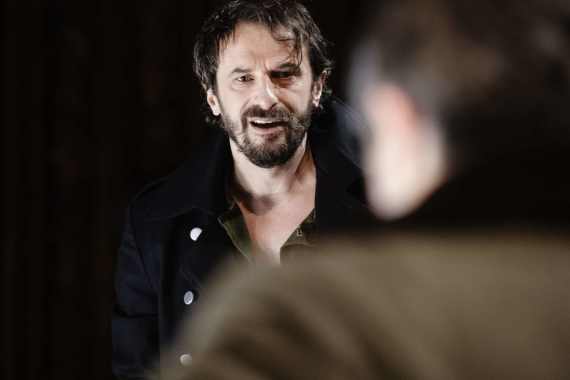
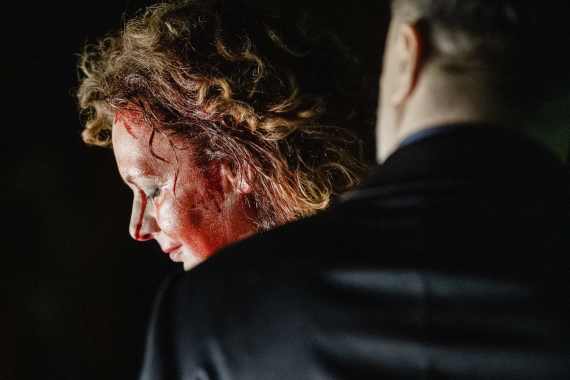
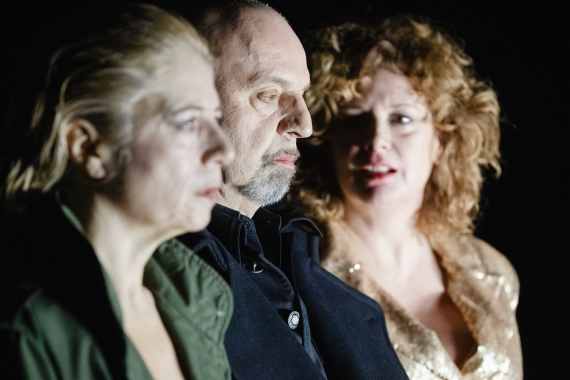
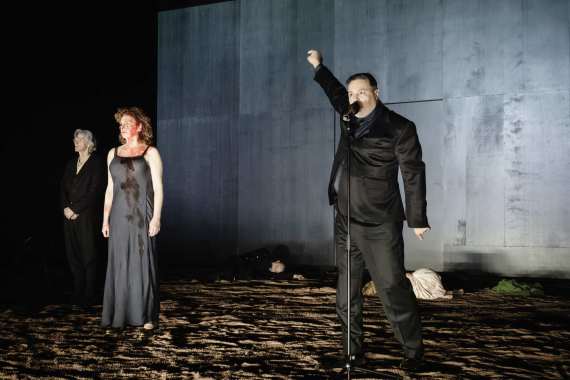
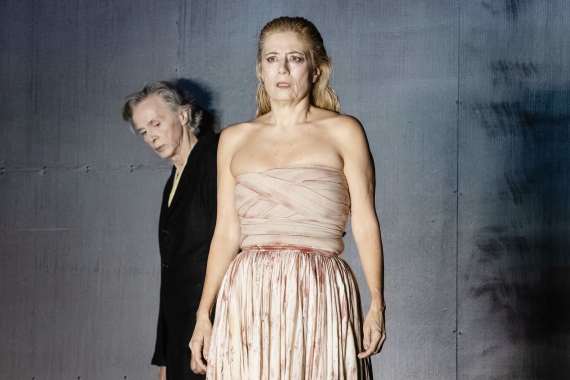
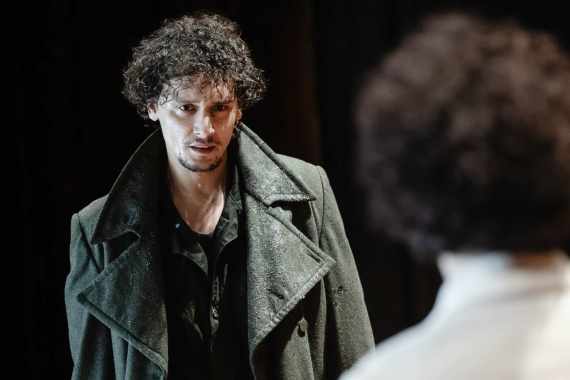
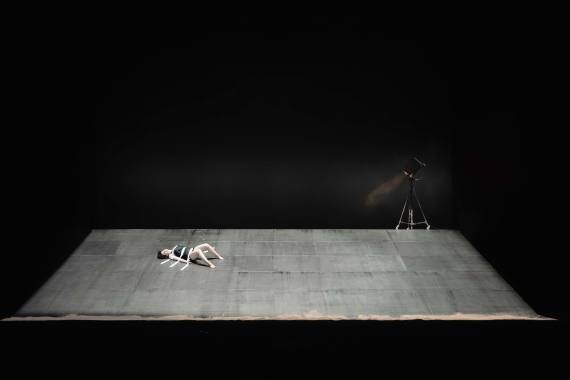
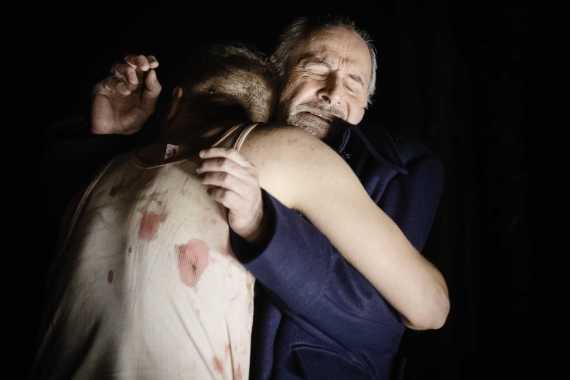
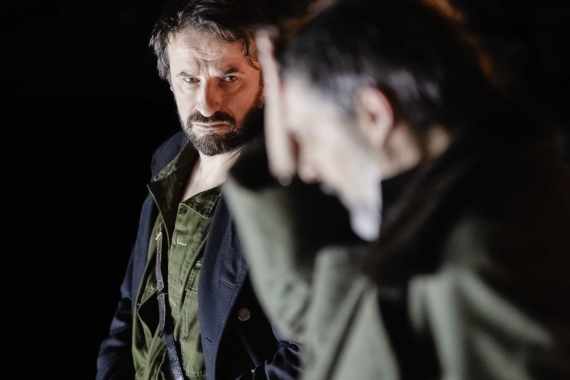
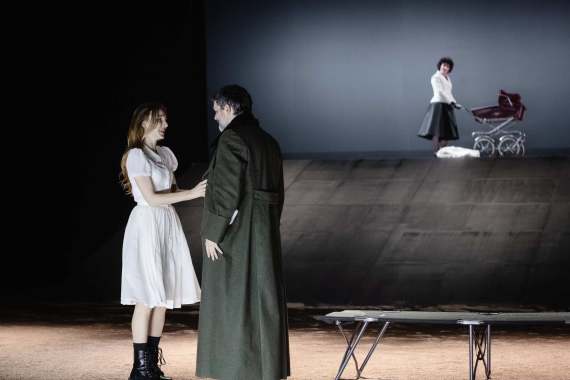
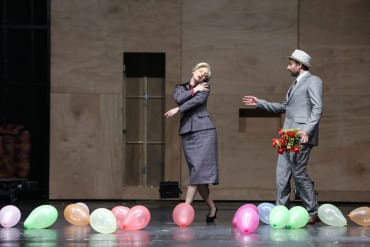
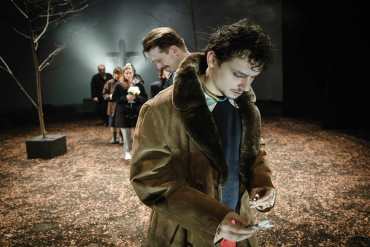
At the invitation of the Drama of the Croatian National Theatre in Zagreb, Lada Kaštelan returns, in collaboration with director Livia Pandur, to her Agamemnon Trilogy, first staged at this theatre in 1995 and later published in the book titled At the Gates of Hades. The trilogy was deeply rooted in the immediate experience of war. Drawing from several Greek tragedies related to the Trojan War, Kaštelan explored the more cruel aspects of victory, its cost and consequences, as well as the futile hope in a new beginning.
Thirty years later, the immediate experience of trauma is behind us; it has transformed from reality into story, a vacuum that allows neither the release of the old nor the entry into the new. Our world today appears as an uninterrupted chain of hatred, shaped by transgenerational transmission, devastated by divisions, irreconcilable divisions and uncompromising adoption of positions.
Agamemnon Trilogy 2.0 is therefore a revised and recomposed version, a new reading and a continuation of the same material, immersed in the present moment and oriented towards a future that offers little hope.
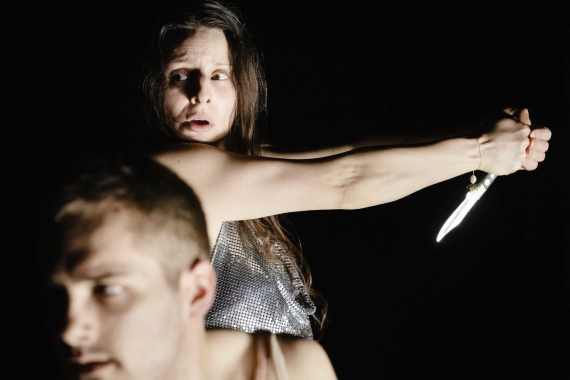
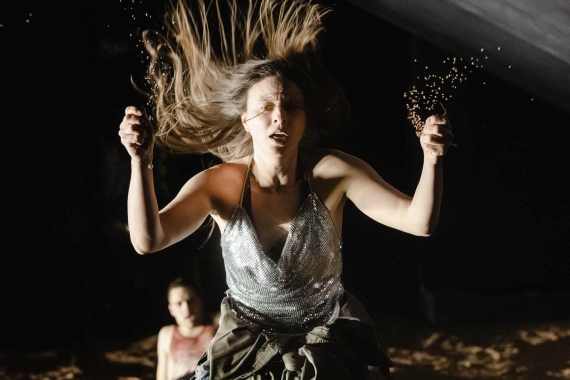
The first part of the trilogy, Deception, based on Euripides’ Iphigenia in Aulis, in which the military leader Agamemnon sacrifices his daughter Iphigenia so that the war may begin, and Return, based on Aeschylus’ Agamemnon, in which Agamemnon returns from the war after ten years as a victor but is immediately killed by his wife Clytemnestra in revenge for their daughter’s death, are taken from the original trilogy and reworked to fit the new whole. The final part of the trilogy, The Sixth Day, created on the basis of motifs from Euripides’ Orestes, is entirely new and deals with the fate of Agamemnon’s and Clytemnestra’s children, Orestes and Electra, the final link in the chain of revenge and the beginning of the end.
Greek tragedies are not a place we turn for consolation, but they are often the material through which many authors, including Lada Kaštelan in her adaptations, speak about their own world and their own time. In all those works, from Martha Graham to Tadashi Suzuki, from Anne Carson to Elfriede Jelinek, from Sarah Kane to Tiago Rodrigues, in countless versions, translations into different languages, adaptations and interpretations of Aeschylus, Sophocles and Euripides, we seem to rediscover ourselves again and again, sometimes as heroes and often as victims at the crossroads between the old and the new, in the perpetuated friction of history.
Duration
Parts I and II – 1 hour 30 minutes
Interval – 20 minutes
Part III – 1 hour 10 minutes