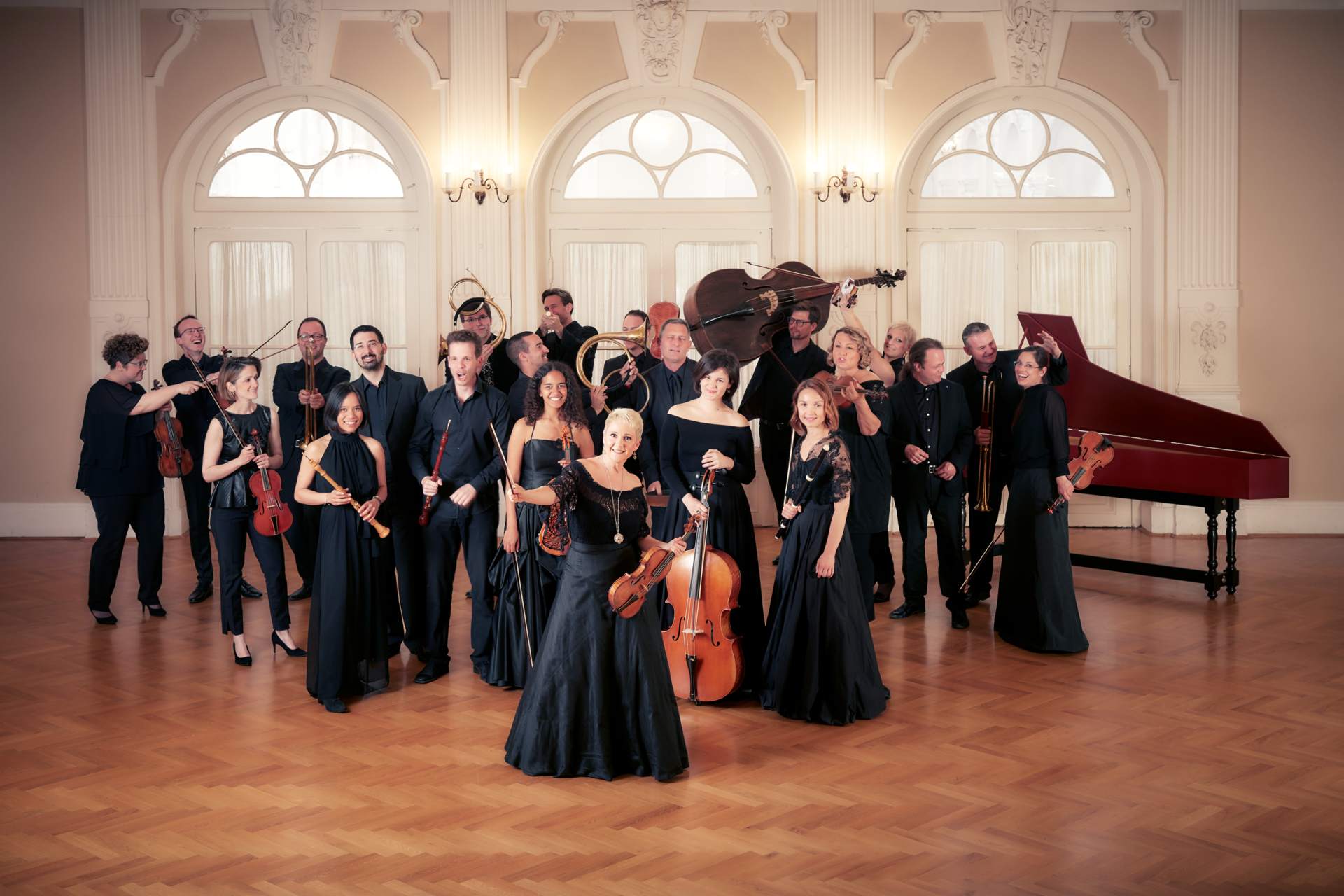
Croatian Baroque Ensemble
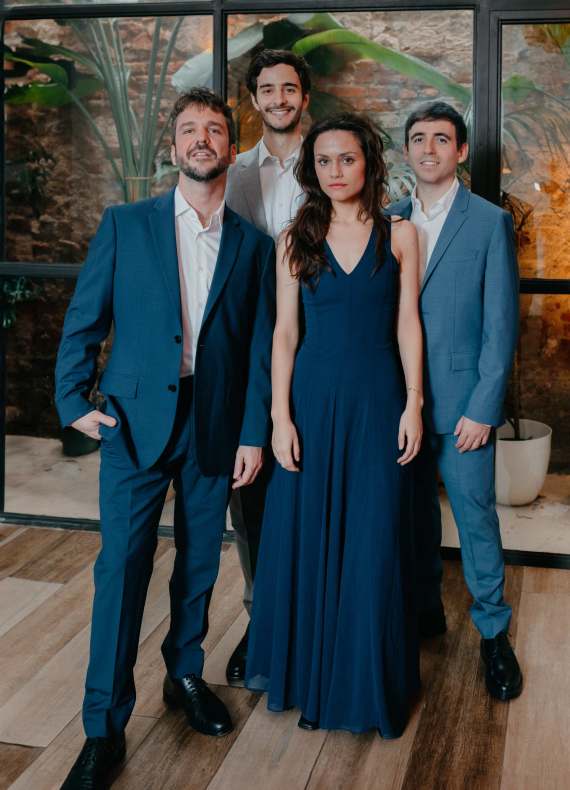
Cantoría (Spain)
Chamber Choir
Soloists
Venus: Inés Alonso, soprano
Adonis: Lluís Arratia, bass
Cupid: Lucija Varšić, mezzo-soprano
Choir
Shepherds and huntsmen
Nikolina Hrkać, soprano
Belén Herrero, alto
Josep Rovira, tenor
Lobel Barun, bass
Conductor: Jorge Losana
Violins:
Helga Korbar, concertmaster
Ana Labazan Brajša
Jana Palac
Ema Smiljanić
Katarina Kocelj
Roko Drešar
Viola: Dagmar Korbar
Viola da gamba: Mauro Colantonio
Flutes: Mauro Colantonio, Lujka Obratov
Cello: Nika Sutlović
Double bass: Pavle Kladarin
Theorbo: Izidor Erazem Grafenauer
Harpsichord: Alex Mastichiadis
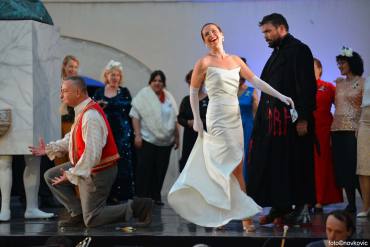
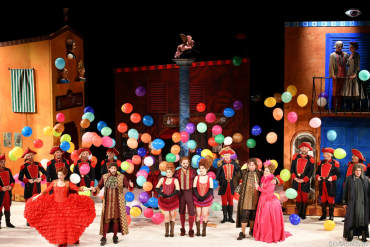
Venus and Adonis
John Blow (c. 1649–1708)
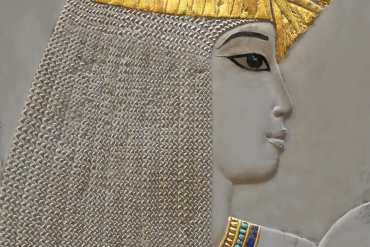
A timeless tale of unrequited love, weaving together comedy, tragedy and exquisite poetry. This little-known gem was Shakespeare’s first bestseller, published in 1593, and tells the sensual and provocative story of the goddess Venus and her obsession with the handsome yet chaste Adonis.
In John Blow’s 1683 masque, the goddess Venus falls in love with the handsome mortal Adonis. Although he wishes to remain with her, she urges him to join the hunt. When he is fatally wounded, Venus is condemned to mourn him for eternity.
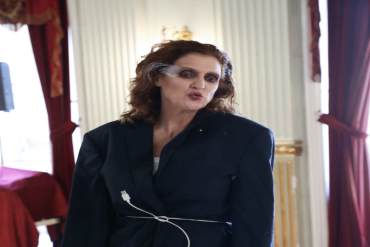
But who actually wrote the libretto of tonight’s opera? Are we presenting not only the opera itself, but also the story of a woman who had to remain hidden in order for her words to be heard? And through this performance, are we restoring her voice to its rightful owner?