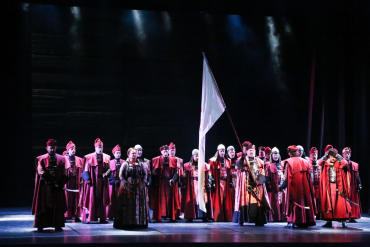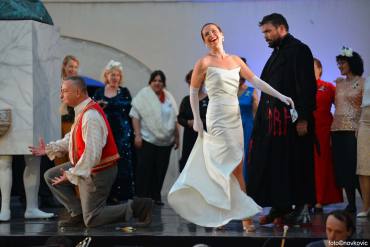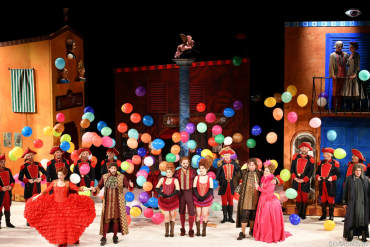
When the Opéra-Comique in Paris commissioned a new opera from Georges Bizet in 1875, it expected a work in keeping with its tradition of comic or sentimental stories centred on virtuous heroes. Instead, Bizet chose as his source Prosper Mérimée’s novella Carmen, a tale of love and obsession set in a Seville tobacco factory and the hideouts of smugglers, which had already unsettled readers upon its publication with its naturalistic portrayal of destructive passion and life on the margins of society. The librettists Henri Meilhac and Ludovic Halévy, known for their collaborations on Offenbach’s operettas, softened some of the darker naturalistic edges of Mérimée’s story and introduced the character of Don José’s fiancée, Micaëla. Audiences were scandalised by the characters and the opera’s uncompromising realism, while critics responded with unusual hostility.
The musical language of the opera, interwoven with elements of Spanish folk music, seemed subversive to contemporary audiences in relation to established operatic conventions. The Habanera and the Seguidilla were not merely decorative local colour, but active carriers of the dramatic action. Bizet died just three months after the premiere, unaware that the work he had created would become one of the most popular operas in the history of music. At the centre of the opera is the relationship between the soldier Don José and Carmen, a Romani woman. Micaëla embodies the world of duty and convention to which Don José belongs, while the toreador Escamillo and the smugglers evoke a world beyond the law. The relationship between Don José and Carmen is not merely a conventional love story. It stages a fatal conflict between freedom and possession, one that will not be resolved, as both protagonists carry their convictions through to their ultimate consequences. The greatness of Carmen was recognised early on by Friedrich Nietzsche, who pointed to Bizet’s masterpiece as a radiant source of a new, human beauty.
The opera will be directed by Pier Francesco Maestrini, with musical direction by Pier Giorgio Morandi. This creative duo presented Zagreb audiences with an outstanding production of Verdi’s Rigoletto in 2023.