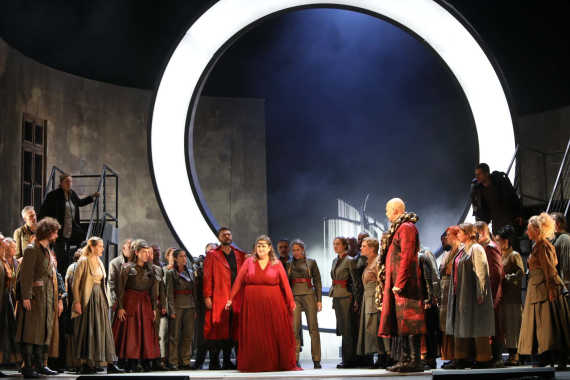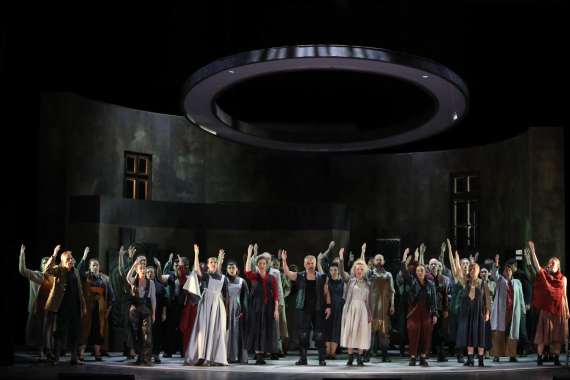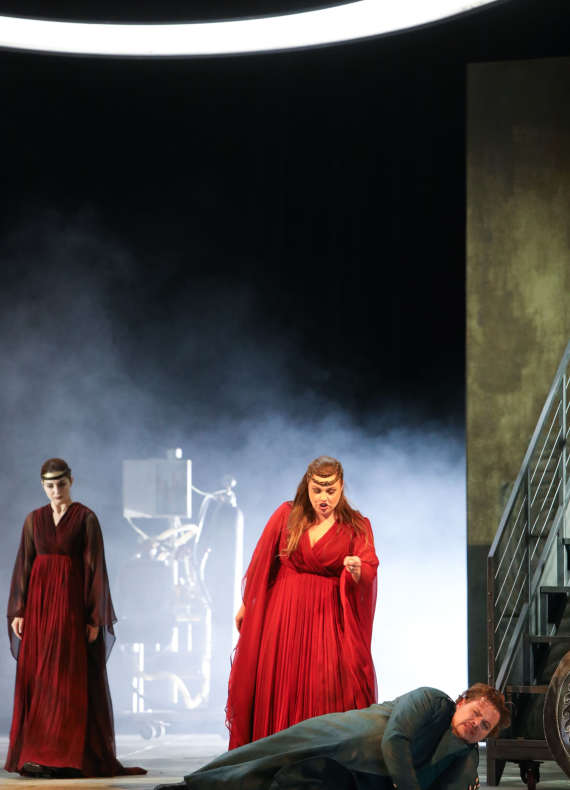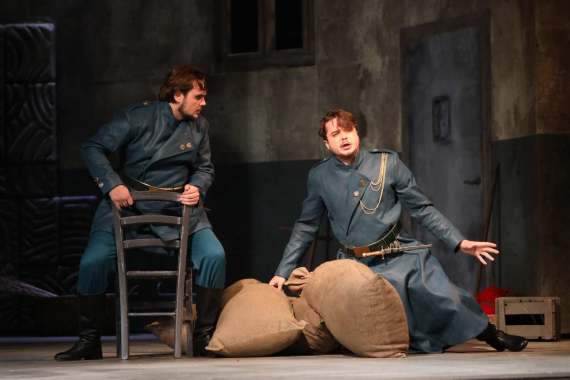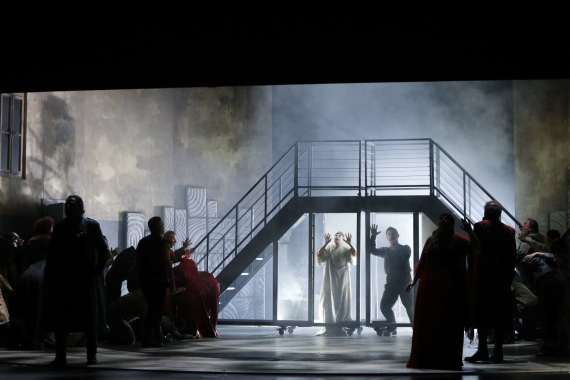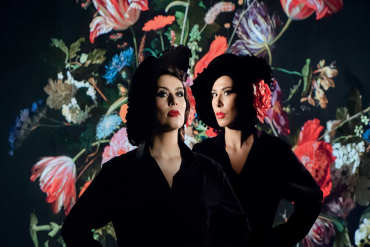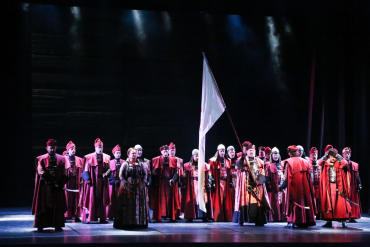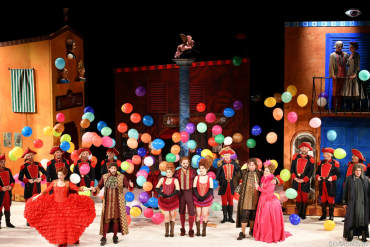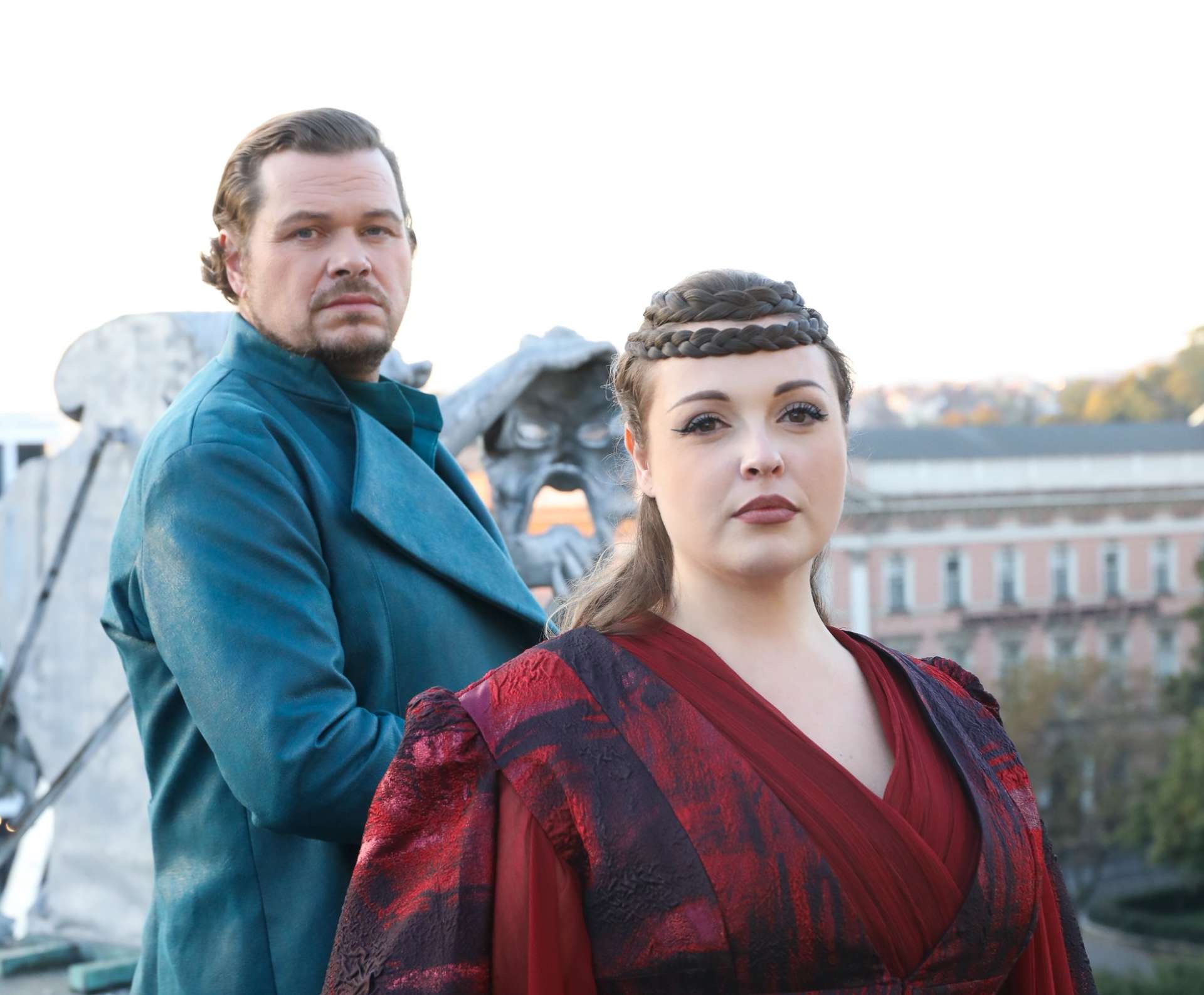
Norma by Vincenzo Bellini, which premiered at La Scala in Milan in 1831, is a seminal work of Italian bel canto and one of its most revered compositions. Composed to a libretto by Felice Romani, based on a tragedy by Alexandre Soumet, this opera tells the story of the Gallic priestess Norma, a spiritual leader of her people, who harbours a forbidden love for the Roman Pollione, with whom she has secretly borne children. When she discovers she has been betrayed, both as a woman and as a leader, she does not seek revenge, but instead accepts her fate, echoing the dignity of the great heroines of Greek tragedy. Bellini shapes the story with extended lyrical phrases, delicate orchestral textures, and melodic simplicity, thus revealing a profound emotional connection to the libretto. The opera’s best-known aria, Casta diva, a prayer to the moon goddess, has come to symbolise the opera and the bel canto style.
Norma is a complex female character, combining strength and vulnerability, spiritual authority and maternal love, heroism and sacrifice, courage and self-sacrifice. Although it was met with a lukewarm response at its premiere, the opera quickly captivated audiences, with the young Richard Wagner among those who immediately recognised its brilliance. Rather than relying on theatrical effects, Bellini evokes lyrical contemplation with ethereal melodies.
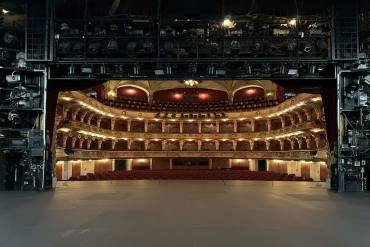
Today, Norma is viewed as one of the most demanding yet magnificent challenges for opera houses, with every new production setting a standard for vocal and dramatic mastery. The upcoming production will be under the direction of Dora Ruždjak Podolski, one of Croatia’s leading opera directors, with musical direction by world-renowned Italian conductor Pier Giorgio Morandi, chief conductor of the Zagreb Opera and our spiritus movens in terms of artistic growth due to his extensive experience and commitment to the operatic tradition.
Duration
Act I – 1 hour 20 minutes
Interval – 20 minutes
Act II – 1 hour 10 minutes