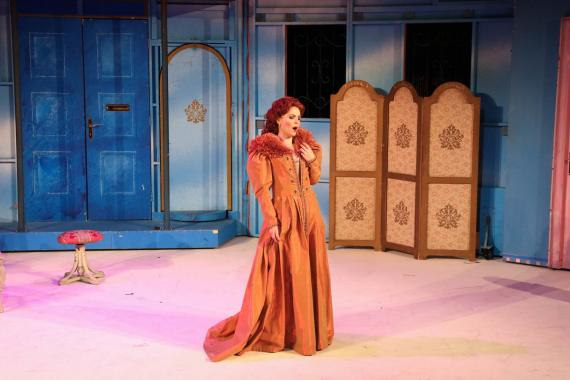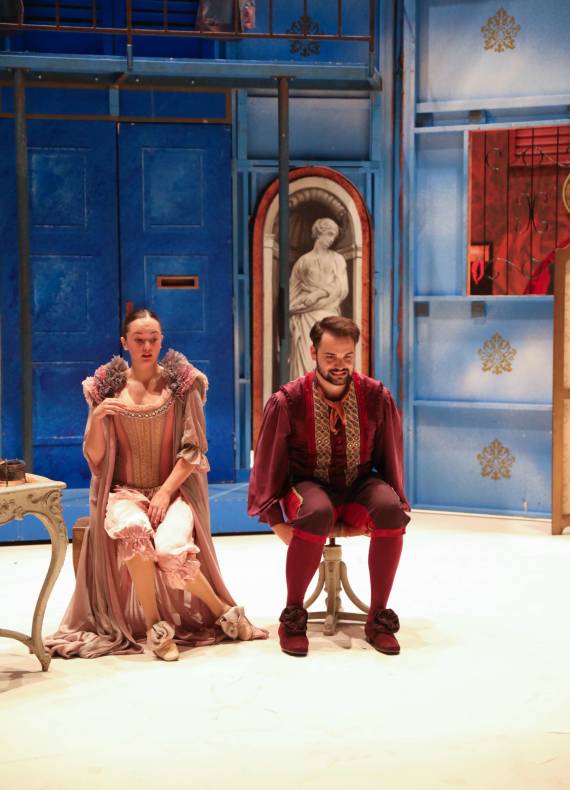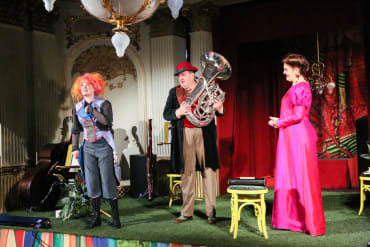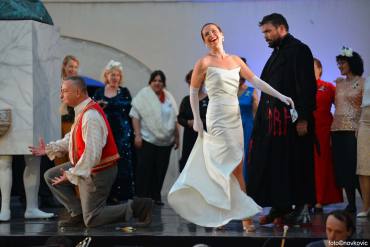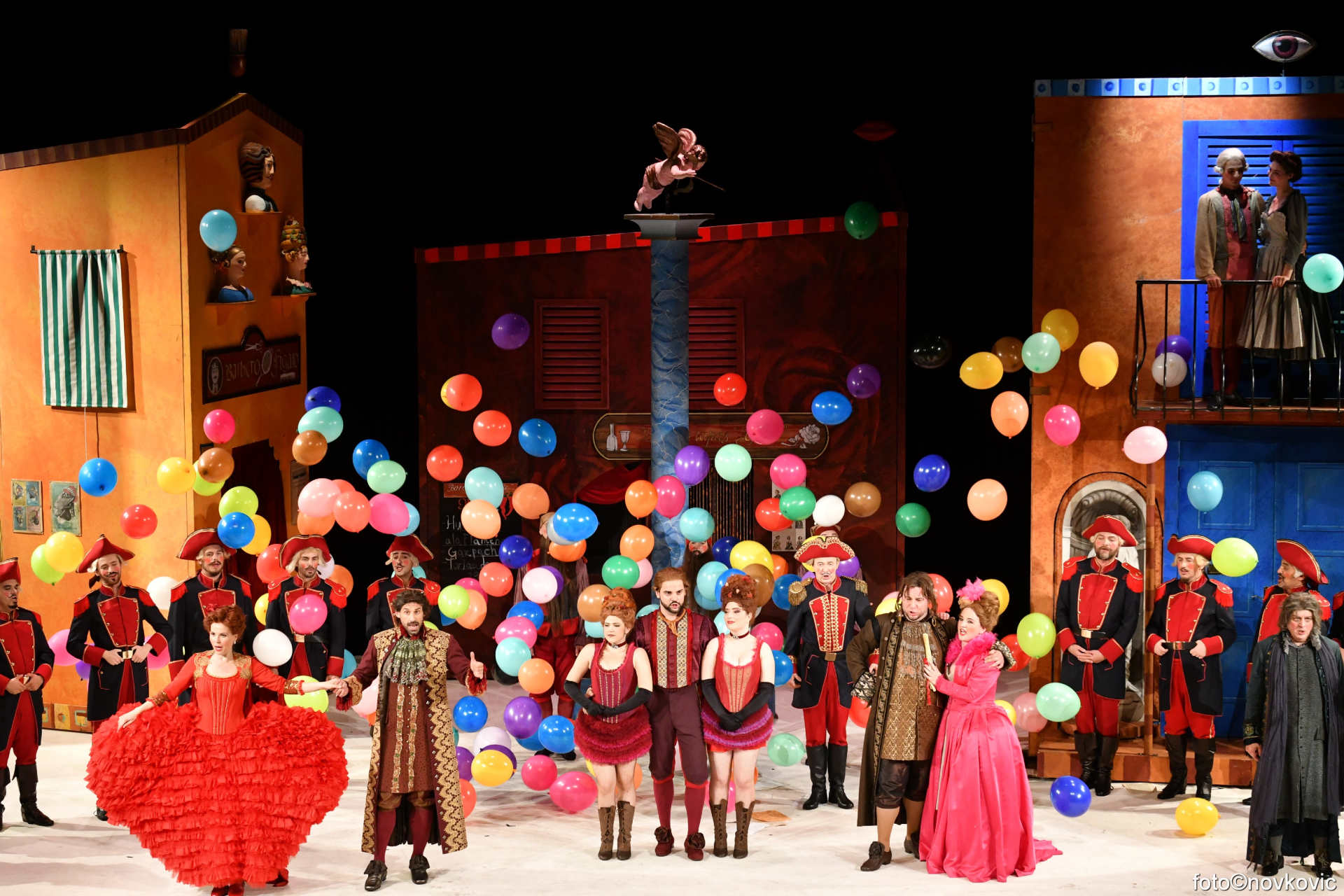
In the early 19th century, Gioachino Rossini, alongside librettist Cesare Sterbini, embraced the character of Figaro, undeterred by the previous musical adaptations by both Paisiello and Mozart. He produced a piece that continues to reflect lively comedy and innovation, demonstrating the genius and artistry of its author. This brilliant opera full of musical humour has fulfilled Ludwig van Beethoven's prophecy from 1822, when he praised the composer by stating, “As long as Italian opera is around, this work will continue to be staged! Although the premiere in Rome in 1816 was a disaster due to a series of absurd mishaps, The Barber of Seville began to enjoy swift global acclaim after its second staging in Bologna, eventually becoming one of the most celebrated operas ever. As a composer with a relatively free understanding of tradition, Rossini transformed the conventional Italian opera by adding a new musical dimension, thus initiating a new chapter in the evolution of opera with his emphasis on stage realism. It is said that every opera house should always include The Barber of Seville in its repertoire. For not only does it captivate the loyal opera fans with its magical combination of musical and theatrical virtuosity, but it also breaks down the prejudices about the incomprehensibility of opera through humour and a healthy life philosophy, thereby appealing to a younger audience.
Revival of this production: 25 June 2026
Duration
Act I — 1 hour 30 minutes
Intermission — 20 minutes
Act II — 50 minutes
Total duration: 2 hours 45 minutes