A presentation of Siniša Vuković’s book Jakov Gotovac’s Opera Garland will take place in the foyer of the Croatian National Theatre in Zagreb on 17 September 2026 at 11.00 a.m., as part of the Festival’s accompanying programme.
Speakers
Snježana Banović, theatre researcher and university professor
Antun Tomislav Šaban, General Secretary of the Croatian Composers’ Society
Božo Župić, Acting General Manager and Artistic Director of the CNT in Split
Željka Barišić Pulig, Artistic Director of Opera at the CNT in Zagreb, representing the host
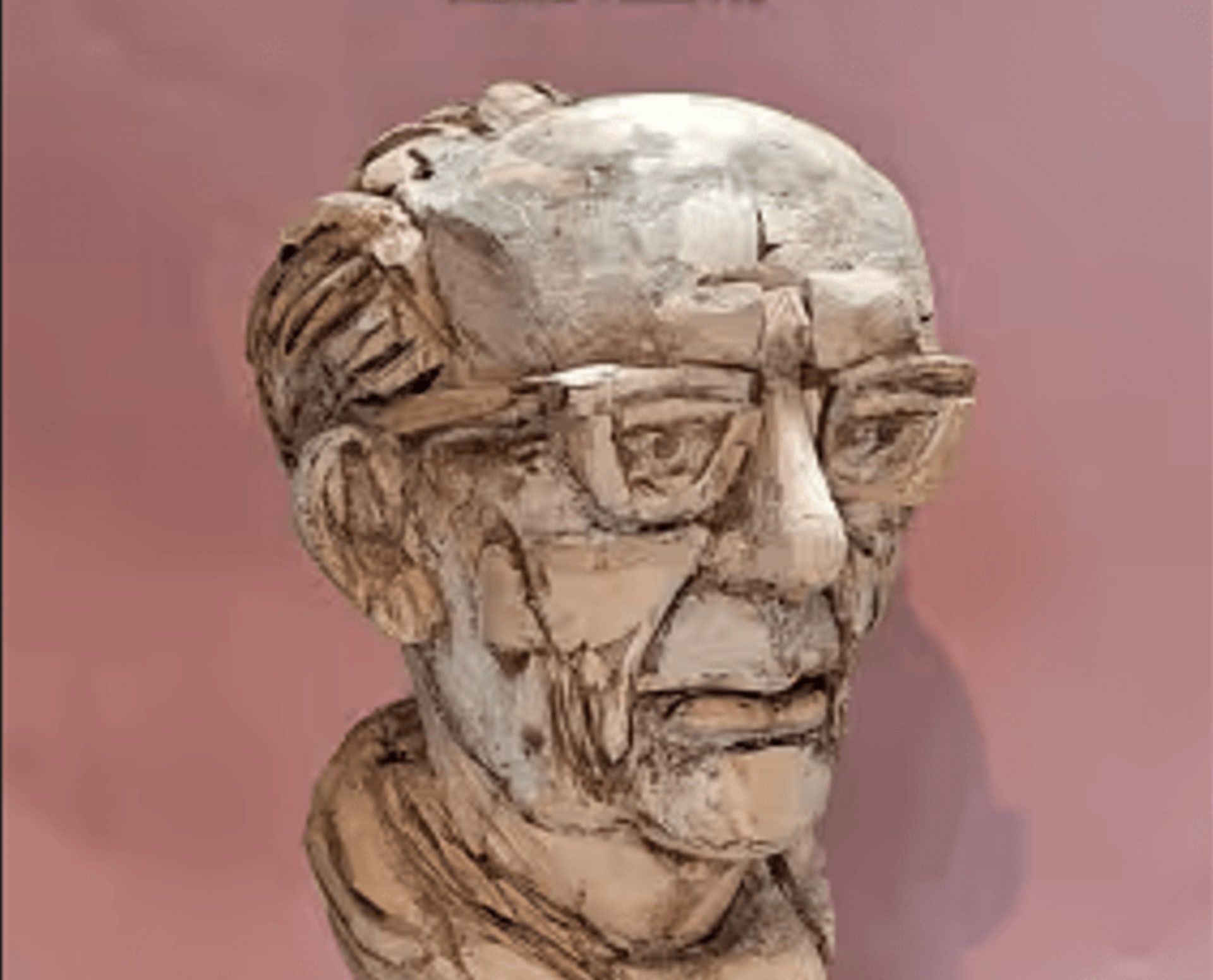
The book Jakov Gotovac’s Opera Garland contains a complete historiography of all the composer’s musical and stage works. It was published as part of the project The Years of Ivo Tijardović and Jakov Gotovac, marking the 130th anniversary of their births, officially proclaimed by the City of Split, which is also the publisher of this edition. It is a fitting coincidence that the 130th anniversary of the opening of the theatre building in Zagreb was celebrated at the same time.
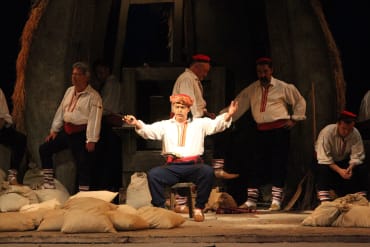
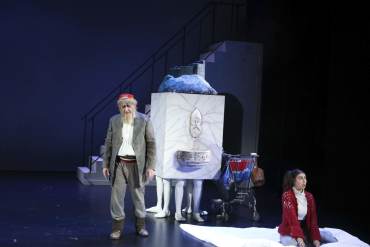
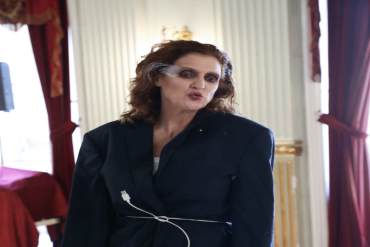
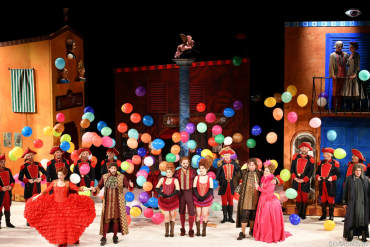
For each of Gotovac’s musical and stage works, Vuković provides a comprehensive history, from its world premiere in Zagreb through all subsequent premiere productions, with particular emphasis on Split and the Split Summer Festival, as well as performances at the Dubrovnik Summer Festival, at Česma in Vrlika (Ero the Joker) and on the Miljevci Plateau (Petar Svačić). The operas Kamenik and Dalmaro were staged only in Zagreb, while Đerdan had its world premiere at the Komedija Theatre and Petar Svačić at the Vatroslav Lisinski Concert Hall.
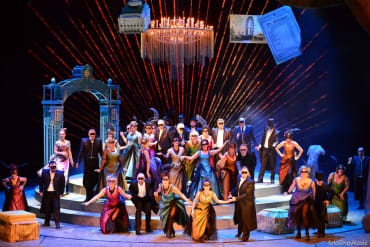
Each history is accompanied by meticulous documentation of every member of the artistic team, from the conductor and director to every soloist in the cast. The book also includes critical reviews published in newspapers covering the world premieres and subsequent productions, as well as excerpts from interviews with key protagonists. It is richly illustrated with photographs from all the productions, posters and other facsimile reproductions.
From Vuković’s afterword:
“Gliding through archives where, as in civil or parish registers, chronicles containing the mysteries of opera’s greatest treasures were kept, I drew out what was most important, assembled the facts and brought the story of each of Gotovac’s operas into focus: Morana, Ero the Joker, Kamenik, Mila Gojsalića, Đerdan, Stanac, Dalmaro and Petar Svačić. The cooperation of numerous institutions gave me access to a vast body of material, only part of which is reproduced here. Among the contributions I particularly cherish is the composer’s correspondence, namely the letters addressed to prominent people of Split or to organisations with which he collaborated.
In writing this book, I wanted to bring together in one place everything of greatest importance concerning the operatic part of Gotovac’s oeuvre, placing between the same covers a text that would be equally engaging to the curious reader while at the same time proving useful to scholars working in either theatre studies or musicology. After all, Gotovac’s oeuvre is just like that: rich in folk elements drawn from popular tradition, as well as motifs and melodies composed and crafted with the skill of a true master of his art. Hence the incidental epigraph at the beginning of this volume: From the individual to the folk, from the open fifth to the Picardy third…”