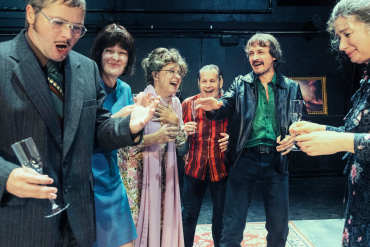
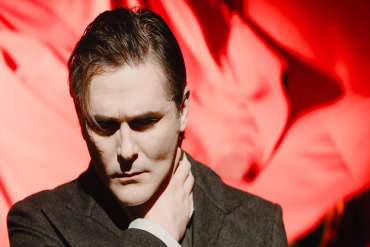
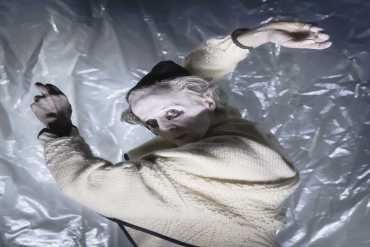
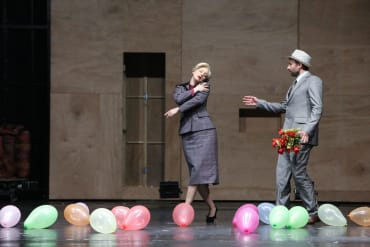
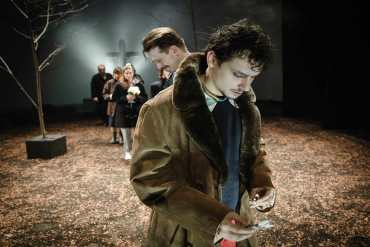
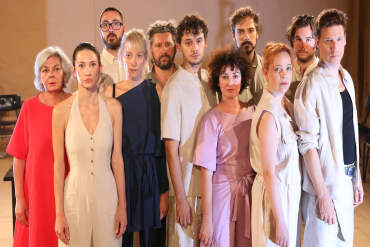
The worldly fraud Oliver Urban, an art critic, his friend Aurel, a successful painter, his wife Klara, the former opera singer Melita and her husband, the snobbish Klanfar, reveal their most intimate secrets during a carnival night as their friendships, marriages, affairs and romantic relationships unravel. Couples separate, marriages fall apart, former lovers reunite, and the entanglements seem endless.
Brilliantly written characters, witty dialogue, intriguing situations and intricately interwoven relationships, ranging from bourgeois drama to vaudeville, are just some of the elements of Krleža’s only comedy. Yet Krleža uses this fluid dramatic structure to expose the superficiality, false values and questionable ideals of the affluent bourgeoisie, whose members consider themselves prominent figures in society.
As the final part of the Glembay cycle, which traces the fortunes of the Glembay family from 1918 to the 1930s, Leda serves as a grotesque reflection of the family’s rise and ultimate downfall. Before our eyes, the turmoil, intrigues and crimes that have marked the family’s history give way to a frenzied succession of romantic, business and marital entanglements, culminating in the street, in the company of ladies of the night.
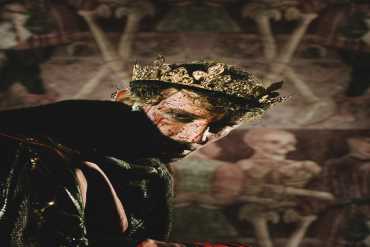
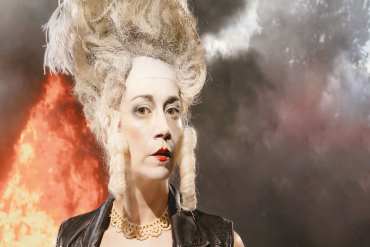
After more than two decades, Leda returned to the stage of the Croatian National Theatre in Zagreb in a production directed by Franka Perković.
In 2023, Jadranka Đokić received the Mila Dimitrijević Award for her portrayal of Klara in Leda.