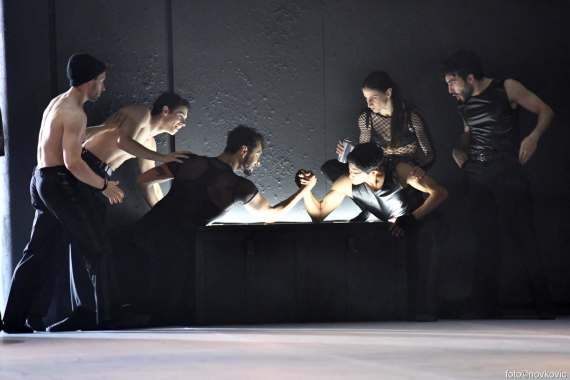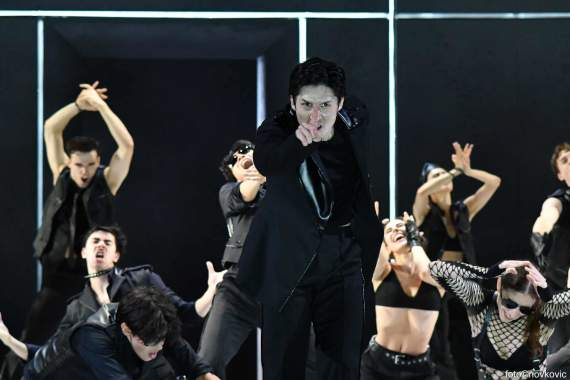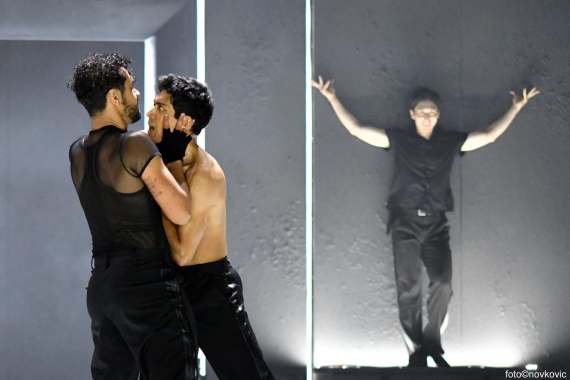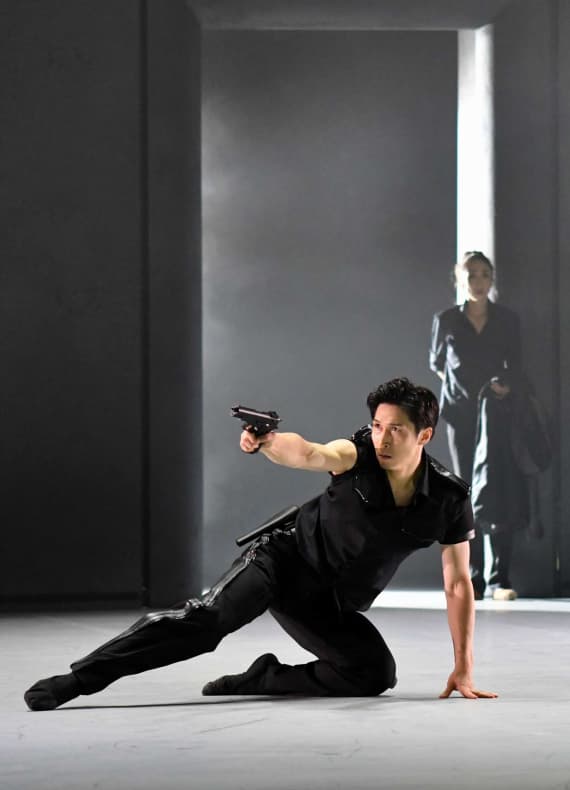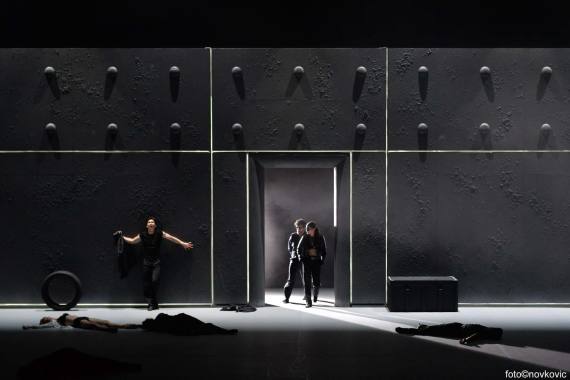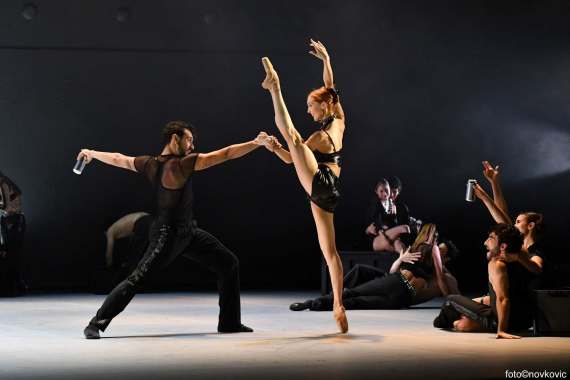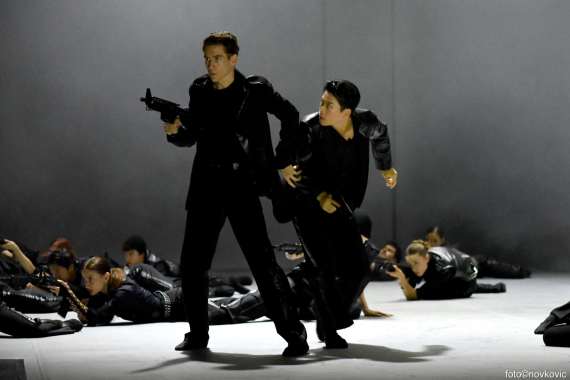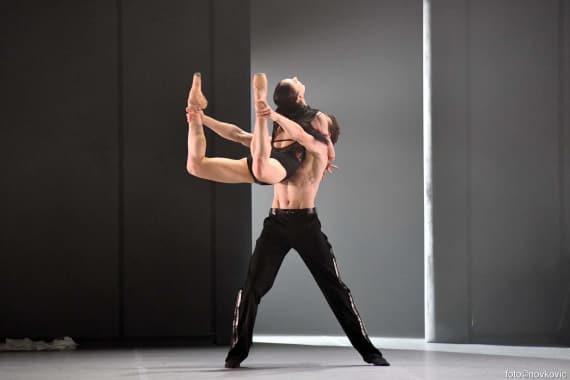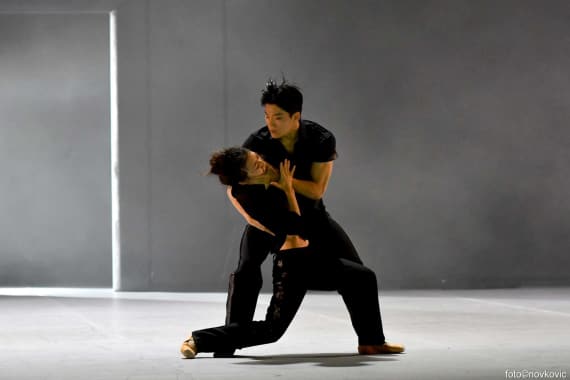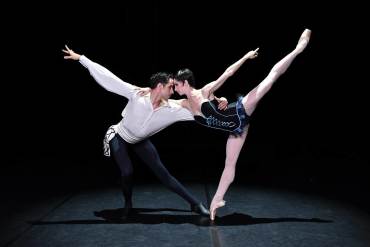
Acclaimed choreographer Valentina Turcu is set to return to the Croatian National Theatre’s Ballet in Zagreb, this time to stage Othello, a tragic masterpiece by William Shakespeare that continues to resonate strongly in modern times. In a world consumed by rage, ambition, and manipulation and intoxicated by violence, disinformation, unrest, and corruption, Othello’s fatal decisions and his blind faith in Iago, a master of subtle deceit, stand in stark contrast to Desdemona’s pure and unwavering love. Exploring the tense dynamics between the three central characters, their emotional turmoil and the destructive force of revenge, Turcu is developing her interpretation of Shakespeare’s drama. By channelling intense emotional currents through the fusion of music and movement, Valentina Turcu examines the psychological subtleties of this classic story, guiding it to its tragic and inevitable finale.
In every ballet and performance she creates, Valentina Turcu pays close attention to the complexity of human behaviour, rooted in tangible motivations, psychological states, and emotions, as well as a hidden, almost mystical reality of eternal truth. With Othello, she will embark on a hypnotic journey, revealing the layers of raw male emotion and the melancholic depths of the female psyche. Together with the dancers, she will take the audience into an entirely unknown realm beyond mere existence.
In her quest for a dance style that is both subtle and impactful, Valentina Turcu creates a distinctive cinematic atmosphere in her pieces. She combines asceticism with a conceptually sophisticated dance theatre that investigates the nature of beauty and the subtle psychological nuances of human existence. Intense narratives, such as the one in Shakespeare’s tragedy, find their perfect counterpoint in the majestic and exalted music by Gustav Mahler. Thus, gestures of love and light transcending the constraints of daily existence can be discovered in those extremes.
Widely recognised by the audience of the Croatian National Theatre in Zagreb, especially for her ballet adaptations of literary classics like the celebrated performances of Death in Venice and Madame Bovary, this renowned and beloved choreographer once again draws inspiration from literature, transposing it into an aesthetic and contemplative choreographic expression seamlessly fused with Mahler’s intricate yet profoundly moving compositions.