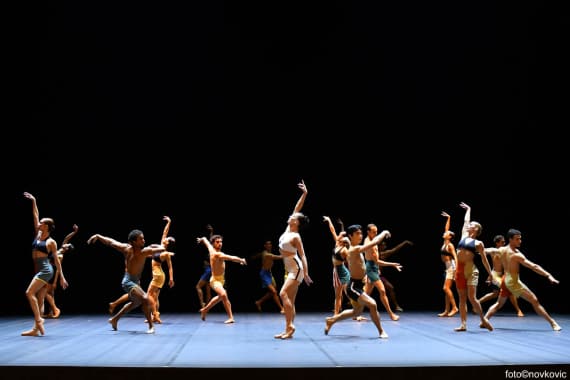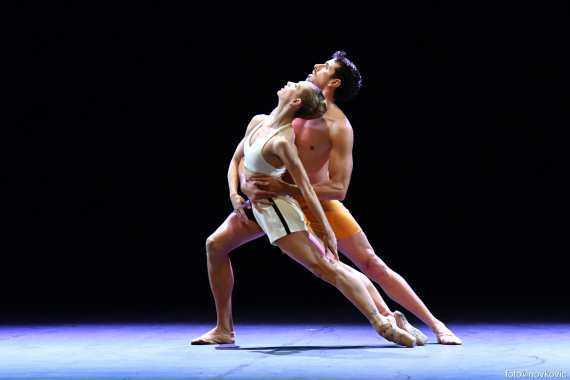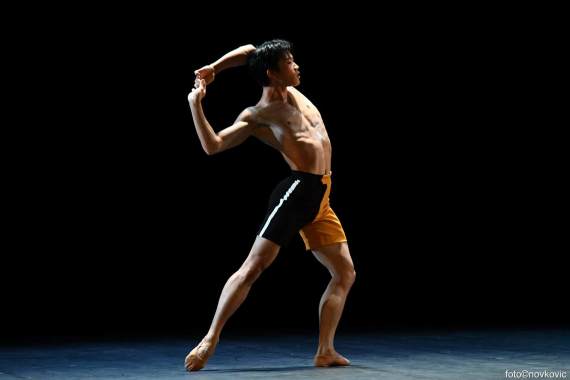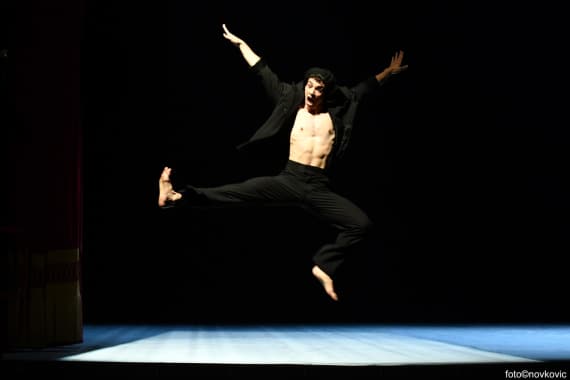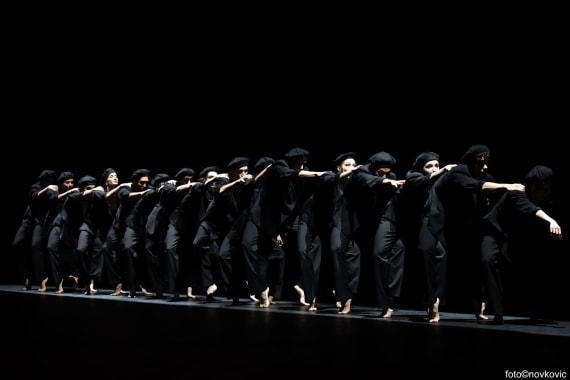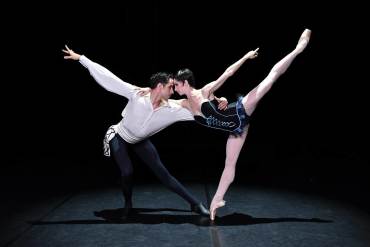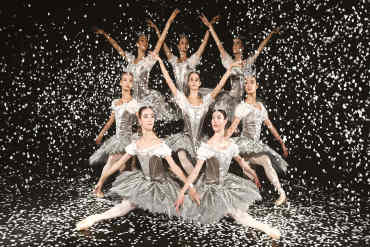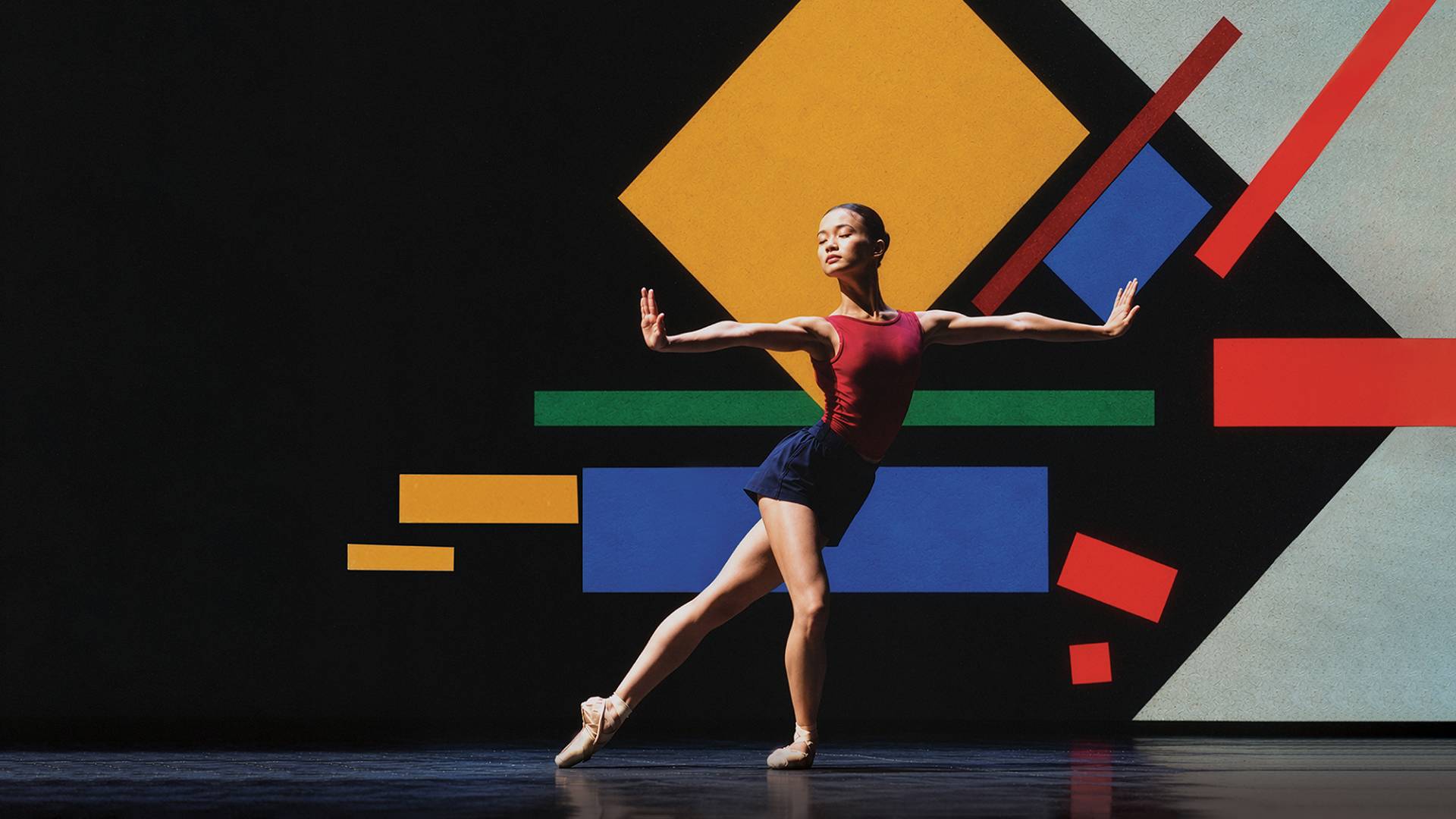
For the first time, Zagreb audiences has the opportunity to experience the contemporary ballets Kazimir's Colours and Rossini Cards of the distinguished and internationally acclaimed choreographer Mauro Bigonzetti.
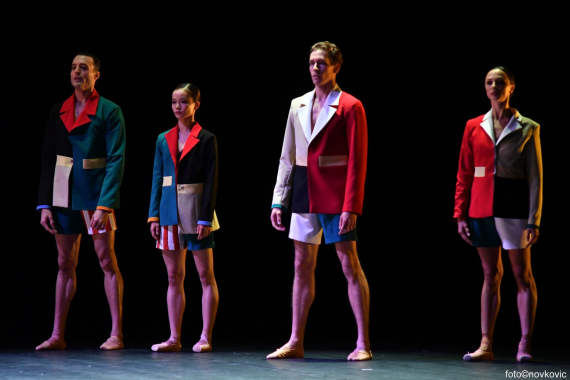
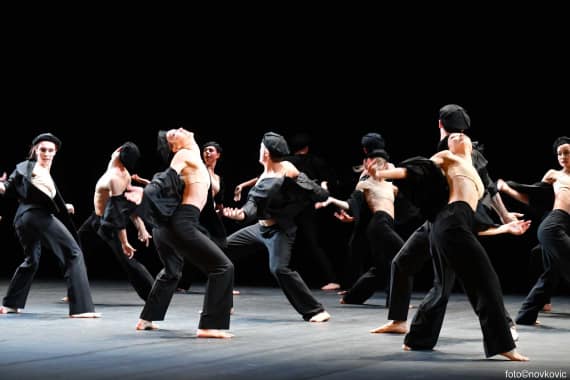
The first ballet of Bigonzetti’s diptych, Kazimir's Colours, was created in 1996 for the Stuttgart Ballet, and it was this work that brought the Italian choreographer international recognition. Kazimir’s Colours draws inspiration from the Russian painter Kazimir Malevich, a leading figure of abstract art and the founder of Suprematism. Choreographed to Dmitri Shostakovich’s Piano Concerto No. 1 for Piano, Trumpet and Strings, the ballet features costumes that evoke the blocks and bands of vivid colour found in Malevich’s paintings.
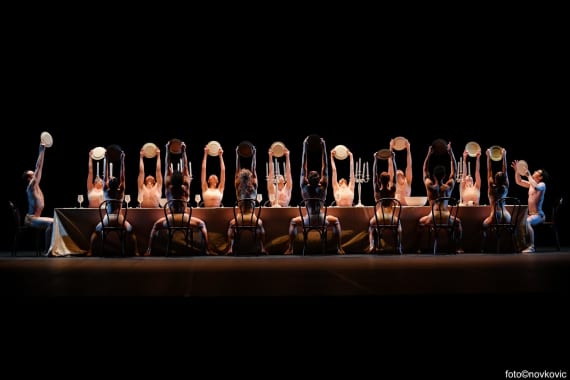
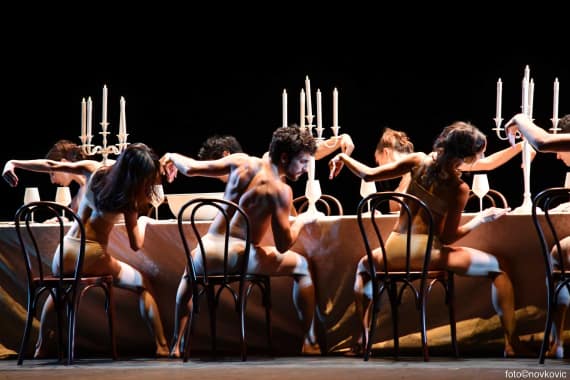
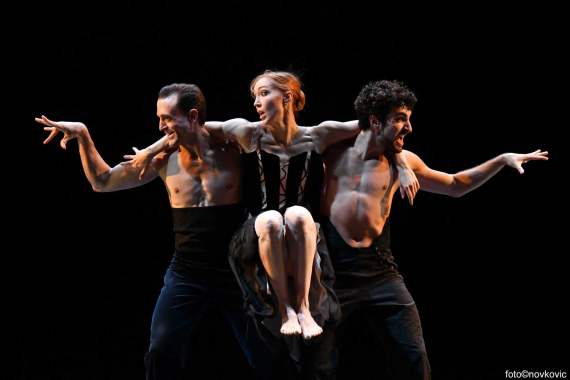
An evening dedicated to Mauro Bigonzetti also features a second celebrated work, Rossini's Cards, an abstract work without a fixed dramaturgical framework. Instead of a conventional narrative, we encounter scenes of parallel lives, images, visions, symbols, and comic and absurd situations inspired by the work of Gioachino Rossini and his passion for exceptional gastronomy. Rossini’s music becomes the starting point for a playful, dynamic and layered choreography, as well as a portrait of the composer and his Dionysian vitality. Comic operas, piano miniatures and celebrated overtures served as the foundation for Bigonzetti's development of the contemporary dance language of this unpredictable ballet, which has been performed around the world.
Bigonzetti creates a dynamic and visually striking contemporary ballet, deeply rooted in music yet free in form. After ten years at Teatro dell’Opera, he joined Aterballetto, where he collaborated with some of the world’s leading choreographers. In 1990, he began choreographing, and after leaving Aterballetto, he worked extensively with international companies and Balletto di Toscana, establishing numerous collaborations with theatres and dance companies around the world.
World premiere of Kazimir’s Colours
5 December 1996, Stuttgart Ballet, Stuttgart
World premiere of Rossini Cards
27 January 2004, Aterballetto, Reggio Emilia
Premiere of Kazimir’s Colours / Rossini Cards
2 October 2026, Croatian National Theatre in Zagreb
Duration
Kazimir’s Colours – 25 minutes
Interval – 20 minutes
Rossini Cards – 50 minutes
The performance on 1 October 2026 is held on the occasion of the 30th anniversary of the Treaty on Minorities between Croatia and Italy.



```