Fourth Zagreb Opera Festival Concludes with a Grand Gala: Ten Days of Opera, International Guest Performances and More Than Thirty EventsOpera — 21. September 2026.
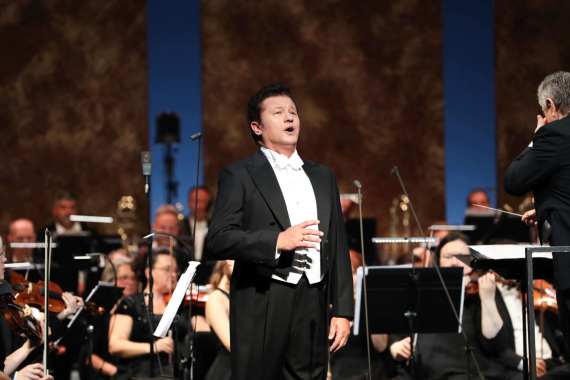
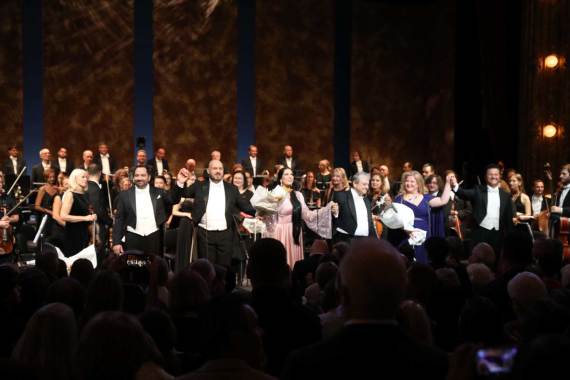
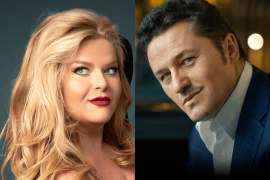
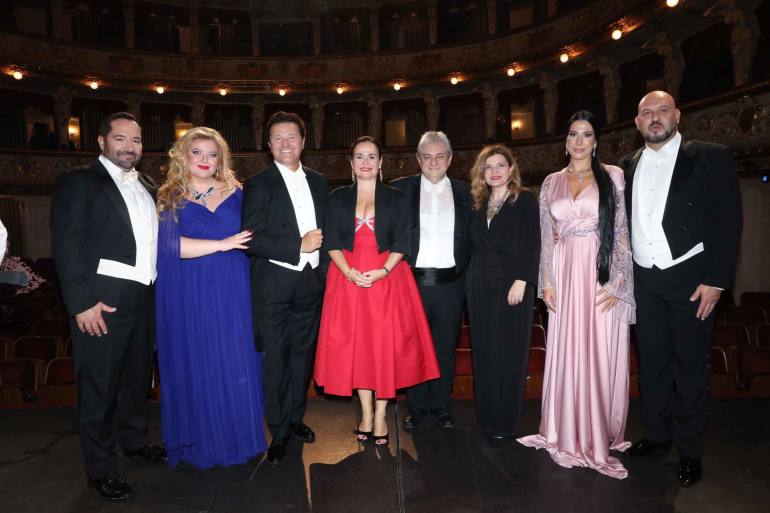
The Fourth Zagreb Opera Festival concluded on 20 September with a gala concert featuring international opera stars Piotr Beczała and Marigona Qerkezi, together with principal singers Sofija Petrović, Luciano Batinić and Ljubomir Puškarić, and the Orchestra of the Croatian National Theatre in Zagreb conducted by Principal Conductor Pier Giorgio Morandi. The concert also marked the beginning of the second term of Dr Iva Hraste Sočo as General Manager and Artistic Director of Croatia’s central national theatre, the CNT in Zagreb.
“I am extremely pleased with the fourth edition of the Zagreb Opera Festival, which over the course of ten days brought together outstanding international and Croatian artists, a diverse programme and a large audience. I am particularly pleased to see the Festival grow year after year, opening up new spaces for opera and developing new ways of engaging with audiences, while at the same time strengthening Zagreb’s position on the international opera map. Today, the Zagreb Opera Festival is a place of artistic excellence, international cooperation and exchange, but also a place where we want to show that opera is a living, contemporary art form open to audiences of all generations. I would like to thank all the artists, guest theatres and ensembles, partners and staff of the CNT in Zagreb who made such an ambitious programme possible. I would especially like to thank our audience for their trust, curiosity and tremendous support,” Dr Iva Hraste Sočo, General Manager and Artistic Director of the Croatian National Theatre in Zagreb said.
From 11 to 20 September, more than thirty artistic, educational and additional events were held on the main stage of the Croatian National Theatre in Zagreb, in its foyer, at the new HNK2 venue, as well as at locations outside the theatre. This year’s programme brought together major operas, international guest performances, chamber and Baroque performances, programmes for children and senior citizens, conversations with artists, conferences as well as activities dedicated to developing new opera audiences.
Festival opened with a major international co-production
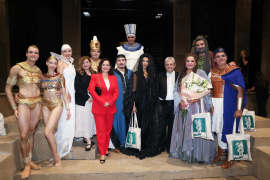
The Festival opened on 11 September with Verdi’s Aida, a major international co-production of the Croatian National Theatre in Zagreb, Teatro Massimo in Palermo and the Csokonai National Theatre in Debrecen.
Conducted by Pier Giorgio Morandi and directed by Mario Pontiggia, the production featured international and Croatian opera soloists, as well as the CNT Orchestra, Choir and Ballet. The role of Radamès was performed by Italian tenor Stefano La Colla, alongside Sofija Petrović, Ivica Čikeš, Ljubomir Puškarić, Luciano Batinić and other Croatian artists.
From the very beginning, the Festival’s opening emphasized one of its key objectives – establishing Zagreb as a meeting point for international opera collaboration and connecting European theatres and artists.
Zagreb as a meeting place for European opera houses
The international character of the fourth edition was particularly marked by guest appearances by European opera houses and ensembles. The Polish Royal Opera from Warsaw performed Rossini’s L’italiana in Algeri, while the Slovene National Theatre in Maribor brought Delibes’s rarely performed opera Lakmé to Zagreb audiences.
The Festival’s international dimension was further enhanced by numerous guest artists, conductors and ensembles, reaffirming its role as a platform for artistic exchange between Zagreb and other European cultural centres.
HNK2 opens up a new festival dimension
A particular highlight of this year’s edition was the stronger presence of the new HNK2 venue, enabling the Zagreb Opera Festival to unfold across several theatre spaces and offer audiences a considerably wider range of formats for the first time on this scale.
At HNK2, the Spanish vocal ensemble Cantoría and the Croatian Baroque Ensemble performed John Blow’s opera Venus and Adonis, demonstrating that the new HNK2 stage can also develop as a space for more intimate, chamber-scale Baroque music-theatre projects.
The French Compagnie Minute Papillon presented its project The Cook Opera! at HNK2 as well, bringing opera closer to younger audiences in an unexpected and direct way. Both performances were completely sold out, while the project also expanded the Festival’s programme beyond the theatre building with the interactive installation Music Cuisine on Ban Josip Jelačić Square on the morning before the performance.
HNK2 also hosted the Inaugural Concert of the Dunja Vejzović Music Centre, as part of an initiative dedicated to creating a new space for the development of young musicians and the transmission of the artistic knowledge of one of Croatia’s most distinguished opera artists.
The Festival thus presented the new HNK2 venue not only as an additional performance space, but also as a meeting place for different generations of artists, new ideas and different ways of presenting opera.
Opera for new audiences
This year, one of the Festival’s key programme priorities was once again to broaden its opera audience and create new ways for people to experience the art of opera.
The opera Gita and the Hidden World was aimed at the youngest audiences, while the Opera 65+ programme took opera outside of the theatre, bringing it directly to residential care homes. Special programmes were held at the Centar and Medveščak care homes, featuring CNT artists and musicians, introducing opera to audiences who are not always able to come to the theatre.
Another important part of the Festival was the Second International Forum on Audience Development – Our Audiences of the Future, which brought together experts from Croatia and abroad and opened a discussion on the relationship between cultural institutions and their future audiences, access to culture and new models of audience engagement.
The Forum further emphasised the idea that has been at the heart of the Festival since its inception – that the future of opera is built not only on the stage, but also by creating a long-term relationship between artistic institutions, artists and the community.
Festival as a space for discussing the future of culture
Alongside performances and concerts, a series of talks, presentations and professional events took place throughout the ten days of the Festival.
The programme included the Festival Morning, held on the eve of the Festival opening, which featured the presentation of new principal opera singers and the announcement of the continuation of the collaboration with Principal Conductor Pier Giorgio Morandi until 2030, as well as conversations with artists, music listening sessions, book presentations and the international conference Green Culture: From Creative Vision to Systemic Change. Organised in cooperation with the Creative Europe Desk – Culture at the Ministry of Culture and Media and held at HNK2, the conference addressed questions of sustainability and the responsibility of cultural institutions.
In this way, the Zagreb Opera Festival once again went beyond the traditional festival format, becoming, alongside its artistic programme, a space for dialogue on the future of the performing arts, sustainability, international cooperation and the relationship between cultural institutions and their audiences.
Audience chooses favourite Festival programme for the first time
A special place in this year’s Festival programme was given to the new Zinka Kunc Milanov Audience Award, named in honour of one of Croatia’s greatest opera artists with an international career.
For the first time, audiences were able to choose what they considered the most successful production among the guest performances in the main programme, giving them a direct opportunity to participate in the Festival programme and to honour one of the guest ensembles. Based on the audience vote, the award went to the Polish Royal Opera for the performance of Rossini’s L’italiana in Algeri.
A Festival that grows year by year
The fourth edition of the Zagreb Opera Festival continued the development initiated four years ago. During its first four editions, the Festival has welcomed more than 30,000 spectators and more than 2,000 artists, with the participation of numerous European opera houses, ensembles and artists with international careers.
This year’s edition marked a new step forward in both its programme and the use of venues. The Festival took place on the CNT main stage, in the foyer, at HNK2 as well as at other locations across the city, allowing opera to reach beyond the traditional framework of a single theatre stage.
Since its first edition, the Zagreb Opera Festival has evolved into an increasingly recognised platform for international cooperation, artistic exchange and audience development, bringing theatres, ensembles and artists from different European cultural contexts to Zagreb, while at the same time opening up new opportunities for Croatian artists and institutions to establish international connections.
The Festival also reflects the ambition of the Croatian National Theatre in Zagreb, as the country’s central national theatre with its Drama, Opera and Ballet ensembles, to become an important centre of international cultural dialogue in this part of Europe.
The strong interest among audiences was matched by significant media coverage. According to media monitoring data available so far, more than 200 articles, television and radio reports, interviews, reviews and features on the Zagreb Opera Festival have been published, with the Festival’s events covered by both Croatian and international media.
Ten days after the ceremonial opening with Verdi’s Aida, the fourth Zagreb Opera Festival came to a symbolic close with a gala concert featuring Piotr Beczała and Marigona Qerkezi, together with Croatian soloists, conducted by Principal Conductor Pier Giorgio Morandi. It was an evening that brought together international opera stars, CNT artists and audiences, bringing to a close the most extensive programme of the Festival to date.